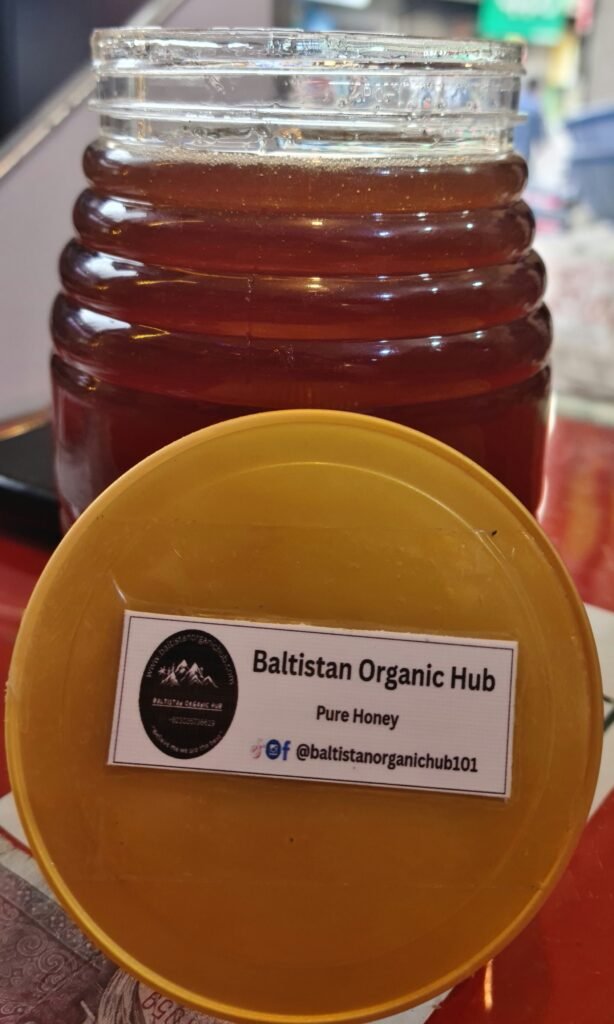
Benefits and Uses of Honey Honey is a natural substance produced by bees from the nectar of flowers. It has been cherished for its unique flavor, medicinal properties, and culinary versatility for thousands of years. This sweet, viscous liquid is more than just a delicious addition to food; it is a powerhouse of health benefits and practical uses. Nutritional Profile Honey is primarily composed of sugars, mainly fructose and glucose, but it also contains vitamins, minerals, and antioxidants. Depending on the flower source, honey may contain small amounts of B vitamins, vitamin C, calcium, iron, magnesium, potassium, and various amino acids. Its antioxidant content, including flavonoids and phenolic acids, contributes to its health benefits. Health Benefits 1. Natural Sweetener: Honey is often used as a healthier alternative to refined sugar. It has a sweeter taste, which means less is required to achieve the same level of sweetness. The glycemic index of honey is lower than that of table sugar, making it a better option for those monitoring blood sugar levels. 2. Antioxidant Properties: Honey is rich in antioxidants, which help combat oxidative stress in the body. Antioxidants can reduce the risk of chronic diseases such as heart disease and cancer. Regular consumption may contribute to overall health by fighting free radicals and inflammation. 3. Antibacterial and Antifungal: Honey has natural antibacterial and antifungal properties due to the presence of hydrogen peroxide and low pH levels. It has been used in traditional medicine to treat wounds and infections. Medical-grade honey, such as Manuka honey, is particularly noted for its effectiveness against certain bacteria, including MRSA. 4. Sore Throat: Relief Honey is a well-known remedy for soothing sore throats and reducing coughing. Mixing honey with warm water or herbal tea can provide relief and promote healing. Its thick consistency coats the throat, easing irritation. 5. Digestive Aid: Honey can aid in digestion and has prebiotic properties, promoting the growth of good bacteria in the gut. It may help alleviate digestive issues such as gastritis and ulcers. Additionally, honey can be soothing for those suffering from conditions like acid reflux. 6. Skin Care: Honey is a popular ingredient in skincare products. Its moisturizing properties make it effective for dry skin, while its antibacterial nature helps treat acne and other skin conditions. Honey can be used in face masks or as a spot treatment for blemishes. 7. Boosting Energy: As a natural source of carbohydrates, honey provides a quick energy boost, making it a favorite among athletes. It can enhance performance and endurance by replenishing glycogen stores during and after exercise. 8. Wound Healing: Honey’s natural antiseptic properties make it effective in treating minor burns and wounds. It promotes healing by keeping the wound moist and preventing infection. Many healthcare providers now recommend honey for topical wound care. Uses 1. Baking: Honey is a common ingredient in many baked goods, adding moisture and a unique flavor. It can replace sugar in recipes, contributing to a richer taste and softer texture in cookies, cakes, and breads. 2. Dressings and Marinades: Honey can enhance the flavor of salad dressings and marinades. Its sweetness balances tangy ingredients like vinegar and citrus, creating a harmonious blend. 3. Beverages: Honey is frequently added to teas, smoothies, and cocktails. It can sweeten beverages naturally without the need for artificial sweeteners. 4. Conservation: Honey acts as a natural preservative. Its high sugar content and low moisture levels create an environment that inhibits the growth of bacteria, making it useful for preserving fruits and vegetables. 5. Infusions and Flavoring: Honey can be infused with herbs, spices, or fruits to create flavored varieties. These can be used in culinary applications or enjoyed as unique toppings. Household Uses 1. Natural Energy Source: Honey serves as an excellent natural energy source, ideal for quick snacks. It’s often used by athletes as a pre- or post-workout fuel. 2. Immune Support: Some studies suggest that honey may support the immune system. Regular consumption can help in boosting immunity, making it a great addition to your diet, especially during cold and flu season. 3. Insect Repellent: Honey can be mixed with other natural ingredients to create insect repellent solutions. Its scent may deter certain insects, making it useful for outdoor activities. 4. Beauty Treatments: Beyond skin care, honey can be used in hair treatments. It can act as a natural conditioner, adding shine and moisture to hair. Traditional and Cultural Uses 1. Medicinal Applications: Throughout history, honey has been used in various cultures as a remedy for numerous ailments. Ancient Egyptians, for example, used honey for wound treatment and as a part of their rituals. 2. Cultural Significance: Honey holds cultural significance in many societies. It is often used in rituals, celebrations, and religious practices. For example, in Judaism, honey symbolizes sweetness and is consumed during Rosh Hashanah. 3. Culinary Traditions: In many cuisines around the world, honey is integral. From Middle Eastern desserts to Asian teas, honey is a common ingredient that adds depth and flavor. Safety and Considerations While honey has many benefits, there are some considerations to keep in mind: – Infant Caution: Honey should not be given to infants under one year old due to the risk of botulism, a rare but serious illness.– Caloric Content: While honey is a natural sweetener, it is still high in calories and should be consumed in moderation.– Allergies: Some individuals may have allergies to honey or specific types of pollen contained in it. It’s important to monitor for any adverse reactions. Conclusion Honey is a remarkable natural product with a wide array of benefits and uses. From its health advantages to its culinary applications, it has earned its place in both kitchens and medicine cabinets around the world. Whether you enjoy it in your tea, use it as a natural remedy, or incorporate it into your skincare routine, honey’s versatility and richness make it a valuable addition to a healthy lifestyle. As with any natural product, moderation and knowledge of individual health needs are key to
Saffron: Uses and Benefits IntroductionSaffron, derived from the stigma of the Crocus sativus flower, is renowned not only for its vibrant hue and distinct flavor but also for its historical significance and myriad health benefits. As the most expensive spice in the world, saffron has captured the attention of culinary enthusiasts, health professionals, and cultures alike for centuries. Culinary UsesSaffron is primarily known for its role in the culinary world. It is commonly used in various cuisines to enhance both flavor and appearance. 1. **Flavor Enhancement**: Saffron has a unique, slightly sweet taste with earthy undertones, making it a versatile ingredient. It is integral in dishes such as: – **Risotto**: The classic saffron risotto (Risotto alla Milanese) showcases the spice’s ability to infuse dishes with rich color and a complex flavor profile. – **Paella**: A staple of Spanish cuisine, saffron is essential for achieving the characteristic taste and golden hue of this rice dish. – **Desserts**: Saffron is also used in desserts like puddings, cakes, and ice creams, imparting both flavor and an attractive color. 2. **Beverages**: Saffron can be used in teas and infused drinks, offering a soothing experience. It’s often combined with milk or honey to create traditional drinks in various cultures. 3. **Cultural Dishes**: In addition to its culinary uses, saffron is often featured in traditional recipes during festivals and celebrations, symbolizing luxury and abundance. Medicinal BenefitsThe medicinal properties of saffron have been recognized in traditional medicine systems like Ayurveda and traditional Chinese medicine. 1. **Mood Enhancement**: Studies suggest that saffron may help alleviate symptoms of depression and anxiety. It is thought to increase levels of serotonin, a neurotransmitter associated with mood regulation. 2. **Antioxidant Properties**: Saffron is rich in antioxidants, such as crocin and safranal, which can help combat oxidative stress and reduce inflammation. This property may have implications for overall health and longevity. 3. **Cognitive Function**: Some research indicates that saffron may improve memory and cognitive function, making it a subject of interest for neurodegenerative diseases like Alzheimer’s. 4. **Menstrual Relief**: Saffron has been used to ease menstrual discomfort. Some studies suggest that it may help alleviate symptoms such as cramps and mood swings. 5. **Eye Health**: There is evidence that saffron may improve vision and protect against age-related macular degeneration due to its antioxidant properties. Skin CareSaffron is increasingly being incorporated into skincare products for its beneficial effects. 1. **Skin Brightening**: Saffron is known for its skin-brightening properties, helping to reduce pigmentation and improve complexion. 2. **Anti-inflammatory Effects**: The anti-inflammatory properties of saffron can help soothe irritated skin and may be beneficial for conditions like acne. 3. **Hydration**: Saffron can improve skin hydration and elasticity, making it a valuable ingredient in moisturizers and face masks. 4. **Traditional Remedies**: In many cultures, saffron has been used in home remedies for skin issues, often combined with other natural ingredients like honey and yogurt. Cultural SignificanceSaffron holds a special place in various cultures, often symbolizing wealth, purity, and beauty. 1. **Historical Importance**: Historically, saffron was used as a dye, medicine, and even in rituals. It has been referenced in ancient texts and has played a role in trade routes, influencing economies and cultures. 2. **Religious Practices**: In some cultures, saffron is used in religious ceremonies and offerings, symbolizing purity and sanctity. 3. **Festivals**: Saffron is featured in festive dishes during celebrations, embodying luxury and richness. #### Economic ImpactThe cultivation of saffron has significant economic implications, especially in regions like Iran, India (particularly Kashmir), and Spain. 1. **Employment**: Saffron farming provides livelihoods for thousands of families. The labor-intensive harvesting process creates jobs and supports local economies. 2. **Exports**: Countries that produce saffron contribute to global markets, and saffron is often a key export commodity. 3. **Sustainability Concerns**: The high demand for saffron has raised concerns about sustainable farming practices, as overharvesting and environmental changes can impact production. #### How to Use SaffronUsing saffron effectively requires some knowledge to maximize its flavor and benefits: 1. **Preparation**: Saffron threads should be steeped in warm water or broth before adding them to dishes. This process releases the color and flavor more effectively than adding them directly. 2. **Storage**: Saffron should be stored in an airtight container, away from light and moisture, to preserve its potency and flavor. 3. **Dosage**: Due to its intense flavor, a small amount goes a long way. Typically, a pinch (about 10-15 threads) is sufficient for most recipes. ConclusionSaffron is more than just a spice; it is a symbol of luxury and tradition with a rich history. Its culinary versatility, combined with a range of potential health benefits, makes it a valuable addition to both the kitchen and the medicine cabinet. As interest in natural remedies and holistic health grows, saffron’s place in modern wellness is likely to expand, reinforcing its status as a timeless treasure in the culinary and medicinal world. Whether used in cooking, skincare, or traditional remedies, saffron continues to captivate and benefit people worldwide.
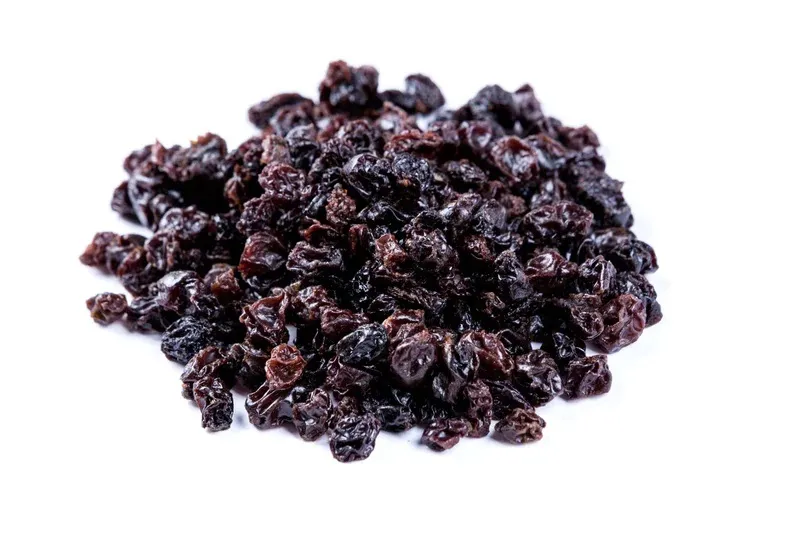
Introduction In today’s health-conscious world, the spotlight shines brightly on organic produce, particularly organic fruits. These natural wonders are not only delicious but also packed with a plethora of health benefits. Let’s delve into the reasons why organic fruits should be a staple in your diet. No Harmful Chemicals Organic fruits are cultivated without synthetic pesticides, herbicides, or GMOs. By opting for organic, you’re avoiding potentially harmful chemical residues commonly found on conventionally grown fruits. This choice not only nourishes your body but also protects it from unwanted toxins. Nutritional Superiority Studies have revealed that organic fruits often contain higher levels of essential nutrients such as antioxidants, vitamins, and minerals. These nutritional powerhouses play a pivotal role in bolstering immune function, supporting overall health, and reducing the risk of chronic diseases like heart disease and cancer. Environmental Stewardship Organic farming practices prioritize soil health and biodiversity, creating resilient and sustainable ecosystems. By choosing organic fruits, you’re supporting farmers who value environmental stewardship and work in harmony with nature to produce wholesome, nourishing fruits. Superior Flavor and Freshness Organic fruits boast superior flavor and freshness compared to their conventional counterparts. Free from artificial enhancers and preservatives, organic fruits offer a sensory experience that tantalizes taste buds and invigorates the palate with each bite. Culinary Versatility From crisp apples to succulent berries, organic fruits come in a diverse array of flavors and textures, making them suitable for various culinary adventures. Whether enjoyed fresh, blended into smoothies, or incorporated into recipes, organic fruits elevate your dishes while nourishing your body. Conclusion The benefits of organic fruits extend beyond their vibrant colors and luscious flavors. By choosing organic, you’re not only prioritizing your health but also supporting environmental sustainability. So, the next time you reach for a piece of fruit, consider opting for organic—it’s a choice that’s as nourishing for you as it is for the planet.

Introduction Seabuck Thorn, also known as sea buckthorn (Hippophae rhamnoides), is a shrub native to Europe and Asia. Its orange berries, rich in vitamins, minerals, antioxidants, and essential fatty acids, have been utilized for medicinal and nutritional purposes for thousands of years. Medicinal and Nutritional Properties The berries of the seabuck thorn are renowned for their medicinal and nutritional properties. They have been traditionally used to address various health issues, including skin problems, digestive ailments, and respiratory infections. Additionally, seabuck thorn is a popular ingredient in cosmetics and skincare products due to its hydrating and nourishing effects on the skin. Benefits of Seabuck Thorn Seabuck thorn offers a plethora of potential health benefits, including: Source and Quality Our Seabuck Thorn is responsibly sourced from the high-altitude villages of the Himalayan and Karakorum mountains in the Gilgit Baltistan region of Pakistan. Visit our SHOP to experience the benefits of this extraordinary superfood firsthand. Conclusion While more research is warranted to fully comprehend the scope of seabuck thorn’s benefits, its inclusion in your diet or skincare regimen may offer numerous health advantages. However, it’s essential to remember that seabuck thorn should complement, not replace, medical treatment when necessary.

Understanding Gluten-Free Flour Introduction With an array of gluten-free flours flooding the market, selecting the right one for various baked goods can be daunting. Unlike wheat flour, gluten-free alternatives often require a blend of three or more flours to achieve the desired structure, lightness, and flavor. Let’s explore the world of gluten-free flours and their versatility in baking. Blend for Success Creating the perfect gluten-free blend involves combining multiple flours to mimic the properties of wheat flour. Whether following a recipe or experimenting with your blend, storing flours correctly ensures freshness and optimal results. Best Gluten-Free Flours Discover some of the best gluten-free flours and their unique characteristics: Conclusion Gluten-free flour opens up a world of possibilities for individuals with celiac disease or gluten sensitivity. Understanding the nuances of each flour and experimenting with blends can lead to delicious and nutritious baked creations. Remember to adjust recipes accordingly and enjoy the journey of gluten-free baking.
